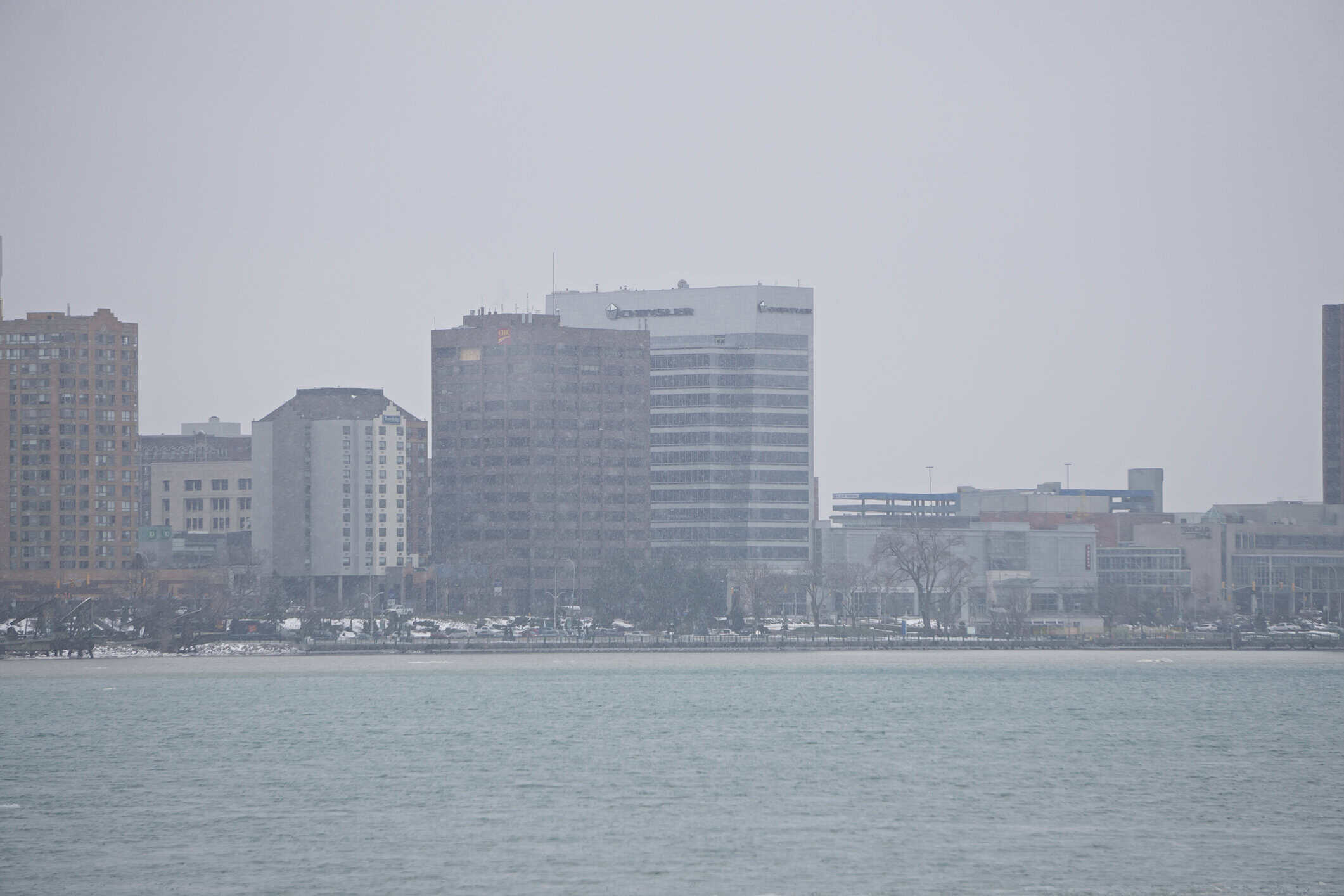
Southeast Michigan Storms: Navigating Risk Levels and Protecting Affected Areas
Southeast Michigan, particularly the Metro Detroit area, is no stranger to dynamic weather patterns. From gusty winds to torrential downpours, residents often find themselves anticipating and responding to a range of atmospheric challenges. Understanding the nuances of metro detroit storms, including their risk levels and the areas most frequently impacted, is crucial for effective preparedness and safety. This comprehensive guide aims to shed light on these elements, offering valuable insights and actionable advice for navigating the region's often-unpredictable storm season.
Deciphering Storm Risk Levels: Marginal, Slight, and Enhanced Threats
When meteorologists issue storm forecasts, they often categorize the potential for severe weather using a five-level scale. For residents of Southeast Michigan, three levels are most commonly encountered during active storm periods: Marginal, Slight, and Enhanced. These categories, primarily defined by the National Weather Service (NWS), provide a quick snapshot of the expected severity and coverage of storms.
Marginal Risk (Level 1 of 5)
A Marginal Risk indicates isolated severe thunderstorms are possible. These storms are typically short-lived and widely scattered, but can still produce brief damaging winds, small hail, or a quick, heavy downpour. For instance, communities south of 8 Mile Road/M-102 may occasionally find themselves under a Marginal threat, suggesting that while the overall risk is low, isolated incidents could still occur. It's a reminder to stay aware, even when the forecast doesn't suggest widespread severe weather.
Slight Risk (Level 2 of 5)
The Slight Risk category signifies that scattered severe storms are possible, but are not expected to be widespread or intense. This is a common forecast for general Metro Detroit severe weather days. Under a Slight Risk, the potential for damaging wind gusts, hail, and localized flooding increases. While not an all-encompassing threat, areas within this category should prepare for more substantial impacts than those under a Marginal Risk, making it even more important to monitor local weather updates.
Enhanced Risk (Level 3 of 5)
An Enhanced Risk indicates a higher potential for numerous or widespread severe storms, some of which could be intense. This level demands significant attention and preparation. Areas further west, such as those around Ann Arbor, sometimes fall into the Enhanced Risk category, suggesting a greater likelihood of persistent, widespread storms capable of producing more significant damage, particularly from strong winds. When an Enhanced Risk is issued, residents should have a well-defined action plan in place and be ready to implement it at a moment's notice.
Understanding these categories empowers residents to assess their personal risk and take appropriate precautions, shifting from general awareness to targeted preparedness as the risk level increases. For a deeper dive into ongoing forecasts, be sure to check our Metro Detroit Storm Outlook: What to Expect This Hot, Humid Week.
Key Threats Posed by Metro Detroit Storms
Metro Detroit storms bring with them a diverse array of hazards. While each storm is unique, several common threats consistently emerge, demanding resident awareness and preparedness.
Damaging Wind Gusts
Perhaps one of the most frequent threats, damaging wind gusts can wreak havoc across the region. These winds, often associated with powerful thunderstorms, are strong enough to knock down trees, damage power lines, and even cause structural damage to homes and businesses. Gusts can exceed 60 mph, leading to widespread power outages and dangerous road conditions. When storms track from the southwest to northeast at speeds of 20 to 30 mph, the speed of the storm itself can add to the destructive potential of localized wind gusts.
Heavy Downpours and Localized Flooding
Intense rainfall is a hallmark of many Southeast Michigan storm systems. While beneficial for the environment, heavy downpours can quickly overwhelm urban drainage systems, leading to localized flooding. This is particularly true in low-lying areas, underpasses, and streets with poor drainage. Flash flooding can turn seemingly innocuous puddles into dangerous currents, posing significant risks to drivers and pedestrians alike. Always remember the adage: "Turn around, don't drown." Never attempt to drive or walk through flooded roads.
Intense Lightning Activity
Lightning is an inherent danger with nearly all thunderstorms. Beyond the spectacular light show, lightning strikes can cause wildfires, power surges, and, most critically, serious injury or death. Seeking immediate shelter indoors during a lightning storm is paramount. Stay away from windows and unplug sensitive electronics to protect them from potential surges.
Large Hail
Depending on the storm's intensity and atmospheric conditions, hail can range from pea-sized to golf ball-sized or even larger. Large hail can cause significant damage to vehicles, denting bodywork and shattering windows. It also poses a threat to crops and can damage roofs and other outdoor property. If a hailstorm is approaching, ensure vehicles are under cover if possible, and seek sturdy shelter.
Tornadoes: A Real, Though Less Frequent, Threat
While not as common as in some other parts of the country, tornadoes are "not out of the question" during severe metro detroit storms. These violent rotating columns of air can cause catastrophic damage in their path. The NWS issues Tornado Watches when conditions are favorable for tornadoes to develop and Tornado Warnings when a tornado has been sighted or indicated by radar. It is vital to know the difference and have a designated safe space, typically an interior room on the lowest floor of a sturdy building, away from windows.
For more detailed information on managing these specific risks, our article Severe Metro Detroit Storms: Damaging Wind, Hail, and Flood Risks offers further guidance.
Understanding Affected Areas and Storm Tracking
The path and impact of metro detroit storms can vary significantly, but general patterns and commonly affected areas emerge. Storms in Southeast Michigan typically track from the southwest to the northeast, influenced by prevailing weather systems. This consistent trajectory helps forecasters predict which communities might be in the line of fire.
Historically, specific corridors and regions within Southeast Michigan are frequently mentioned in storm advisories:
- The I-96/I-696 Corridor: This major metropolitan artery often serves as a key indicator for storm activity. Communities along and south of this corridor, including populous areas like Detroit, Dearborn, Southfield, and Livonia, are frequently in the path of stronger storm cells, particularly between the afternoon and midnight hours. The density of infrastructure and population in these areas means potential for widespread impact from wind, hail, and flooding.
- South of 8 Mile Road/M-102: While often under a Marginal risk, areas south of this demarcation line can still experience the initial development of scattered showers and thunderstorms ahead of a cold front, especially in the morning hours before more active weather begins in the afternoon.
- Areas Closer to the Ohio Border: Early shower activity and non-severe thunderstorms are often possible in areas bordering Ohio, indicating the southern approach of weather systems into the region.
- The Ann Arbor Area and Further West: When an Enhanced Risk category is issued, it's often for areas beginning around Ann Arbor and extending westward. This indicates a greater threat for persistent, widespread, and potentially intense storms, with a higher likelihood of experiencing significant damaging winds.
It’s important to remember that local topography and the built environment can also play a role. Urbanized areas with extensive impervious surfaces are more susceptible to flash flooding, while open agricultural lands might feel the full force of strong winds. Monitoring specific local forecasts is always the best approach, as conditions can change rapidly even within a few miles.
Essential Preparedness for Metro Detroit Storms
Effective preparation is your best defense against the unpredictable nature of metro detroit storms. Here are practical steps to safeguard yourself, your family, and your property:
Before the Storm: Proactive Measures
- Stay Informed: Reliable weather sources are your best friends. Bookmark the National Weather Service (NWS) website, download reputable weather apps, and tune into local news channels for the latest forecasts and alerts. A NOAA weather radio is also an excellent tool for receiving critical warnings.
- Develop a Family Emergency Plan: Discuss with your family what to do during different types of severe weather. Identify a safe room or location within your home for tornadoes and severe thunderstorms. Establish an out-of-state contact person for family members to check in with if local communication lines are down.
- Assemble an Emergency Kit: Your kit should include essential items such as non-perishable food and water (at least three days' supply), a first-aid kit, a battery-powered or hand-crank radio, flashlights with extra batteries, a whistle, a multi-tool, and any necessary medications.
- Secure Outdoor Items: Patio furniture, trash cans, grills, and trampolines can become dangerous projectiles in strong winds. Bring them inside or secure them firmly.
- Maintain Your Property: Trim dead or overhanging tree branches that could fall during high winds. Clear gutters and downspouts to ensure proper water drainage and reduce the risk of localized flooding around your home. Check your sump pump to ensure it's in working order, especially if your basement is prone to flooding.
During the Storm: Safety First
- Seek Shelter Immediately: As soon as a storm approaches or warnings are issued, go indoors to a sturdy building. If outdoors and no shelter is available, find a ditch or low-lying area and cover your head.
- Stay Away from Windows: Flying debris is a significant hazard during severe winds and hail. Move to an interior room, closet, or bathroom.
- Unplug Electronics: To protect appliances and sensitive electronics from power surges caused by lightning strikes, unplug them.
- Avoid Floodwaters: Never attempt to drive, walk, or swim through flooded areas. Just six inches of moving water can knock an adult off their feet, and twelve inches can carry away a small car. The depth of floodwaters can also be deceptive, hiding dangerous debris or damaged roads.
After the Storm: Post-Storm Safety
- Be Wary of Downed Power Lines: Assume any downed wire is live and dangerous. Report them immediately to DTE Energy or your local utility company.
- Assess Damage Safely: Wait until the storm has passed and it is safe to venture outside. Be cautious of broken glass, sharp objects, and unstable structures.
- Report Outages: If your power is out, report it to your utility provider.
Beyond the Thunder: Heat and Air Quality Considerations
The stormy stretches in Southeast Michigan often coincide with periods of intense heat and humidity. These conditions not only contribute to the formation of severe weather but also present their own health risks. Temperatures often peak in the mid-to-upper 80s and even into the 90s (32°C), with heat indices making it feel much hotter. Staying hydrated and seeking relief from the heat are important during these muggy stretches.
Furthermore, air quality advisories, like those occasionally seen for Sanilac County due to wildfire smoke funneling pollutants into the region, can coincide with storm events. These advisories pose health risks for vulnerable individuals, including those with respiratory conditions. It’s a reminder that regional weather is a complex interplay of various factors, and staying informed about all aspects—from storm threats to air quality—is essential for overall well-being.
Conclusion: Stay Informed, Stay Safe
Living in Southeast Michigan means experiencing the full spectrum of nature's power. From the marginal threat of a scattered shower to the enhanced risk of widespread destructive storms, being prepared for metro detroit storms is an ongoing commitment. By understanding the risk levels, recognizing the potential threats, knowing which areas are most susceptible, and adopting proactive preparedness strategies, residents can significantly reduce their vulnerability. Always prioritize safety, stay informed through reliable weather sources, and remember that a well-prepared community is a resilient one.