Severe Metro Detroit Storms: Understanding the Risks and Staying Prepared
Metro Detroit residents are no strangers to unpredictable weather, but recent patterns indicate a heightened period of severe weather activity. From gusty, damaging winds to large hail and the looming threat of significant localized flooding, metro detroit storms demand our attention and preparedness. This comprehensive guide delves into the specifics of these severe weather events, offering insights and actionable advice to help you navigate the challenges and keep your family safe.
The region has seen a recurring cycle: intense heat and humidity setting the stage for scattered showers and powerful thunderstorms. These aren't just your average summer downpours; they carry substantial risks that require vigilance. Understanding the distinct threats posed by these weather systems is the first step toward effective mitigation.
Decoding the Threats: Damaging Wind, Hail, and Flood Risks
When weather forecasters issue warnings for metro detroit storms, they're typically referring to a dangerous cocktail of conditions. Each element presents its own set of hazards:
- Damaging Wind Gusts: Often the most widespread threat, winds can exceed 50-60 mph in severe thunderstorms. Such gusts are strong enough to snap tree limbs, down entire trees, damage power lines, and even cause structural damage to homes and businesses. Secure any outdoor items that could become projectiles, such as patio furniture, grills, and trash cans.
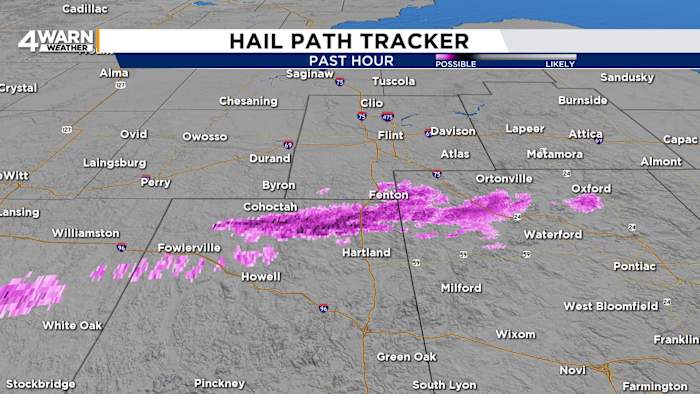
- Large Hail: Hailstones can range from pea-sized to golf ball-sized or even larger in intense storms. Larger hail poses a significant risk to vehicles (dents, cracked windshields), crops, and can even damage roofs, siding, and windows. During a hail storm, seek sturdy shelter and avoid parking cars in vulnerable open areas if possible.
- Heavy Downpours and Localized Flooding: Metro Detroit's landscape, particularly in urban and suburban areas, is susceptible to rapid flooding when torrential rains occur. Overwhelmed storm drains, saturated ground, and impermeable surfaces can lead to flash flooding in streets, underpasses, and even basements. This risk is amplified given the recurrent "visits" of rain to the region, priming the ground for quicker saturation. Remember the critical safety rule: "Turn around, don't drown." Never drive or walk through flooded roads.
- Intense Lightning: Every thunderstorm produces lightning, but severe storms often generate more frequent and powerful strikes. Lightning is a significant danger to anyone outdoors and can also cause fires. When thunder roars, go indoors!
- Tornadoes: While less common, the threat of tornadoes is never entirely "out of the question" during severe metro detroit storms. These violent rotating columns of air can cause catastrophic damage in their path. Knowing the difference between a tornado watch (conditions are favorable for tornadoes) and a tornado warning (a tornado has been sighted or indicated by radar) is crucial for rapid response.
Navigating Risk Levels and Affected Areas in Metro Detroit
Weather services categorize severe storm threats into various risk levels, offering a clearer picture of potential impacts. For residents of Southeast Michigan, understanding these distinctions is key to personalized preparedness. Generally, these categories are:
- Marginal Risk (Level 1 of 5): Isolated severe storms are possible, typically limited in intensity and/or coverage. An example might be communities south of 8 Mile Road/M-102.
- Slight Risk (Level 2 of 5): Scattered severe storms are possible, but not expected to be widespread. Metro Detroit often falls into this category, meaning vigilance is necessary, but widespread devastation is less likely.
- Enhanced Risk (Level 3 of 5): Persistent and widespread severe storms are possible, with some expected to be intense. Areas further west, beginning around Ann Arbor, are sometimes placed in this category, indicating a higher likelihood of damaging winds and other severe phenomena.
Geographical nuances play a significant role. Stronger storm cells have been specifically forecast to track along and south of the I-96/I-696 corridor, including major hubs like Detroit, Dearborn, Southfield, and Livonia. These storms typically move from the southwest to northeast at speeds of 20 to 30 mph, meaning communities in their path can experience rapid onset of severe weather. For a more detailed breakdown of these risk classifications and how they apply across the region, you can refer to our companion article: Southeast Michigan Storms: Risk Levels & Affected Areas Defined.
Your Metro Detroit Storm Checklist: Preparing for Severe Weather
Proactive preparation is your best defense against the dangers of metro detroit storms. Here’s a comprehensive checklist to help you get ready:
Before the Storm Strikes:
- Stay Informed: Monitor local weather forecasts from reliable sources like the National Weather Service (NWS) and local news channels (e.g., FOX 2 Detroit). Weather apps and NOAA weather radios are also invaluable.
- Secure Outdoor Items: Bring in or tie down anything that could blow away or become a projectile, such as patio furniture, garbage cans, trampolines, and garden tools.
- Clear Gutters and Drains: Ensure your home’s drainage system is clear of debris to help prevent localized flooding around your foundation.
- Charge Devices: Fully charge cell phones, laptops, and portable power banks in case of power outages.
- Assemble an Emergency Kit: Include bottled water (one gallon per person per day for at least three days), non-perishable food, a first-aid kit, a battery-powered or hand-crank radio, flashlights with extra batteries, whistles, and any necessary medications.
- Know Your Safe Place: Identify the safest place in your home during a severe storm or tornado (e.g., a basement, an interior room on the lowest floor away from windows).
- Review Your Insurance: Understand your home or renter’s insurance policy regarding storm damage, including coverage for wind, hail, and flood.
During the Storm:
- Stay Indoors: Remain inside a sturdy building, away from windows and glass doors.
- Avoid Water and Electronics: Do not touch electrical equipment or corded phones, and stay out of the shower or bath.
- Heed Warnings: If a tornado warning is issued, immediately move to your designated safe place.
- Do Not Drive Through Floodwaters: Just six inches of moving water can knock you down, and a foot can sweep your vehicle away.
After the Storm:
- Assess Damage Safely: Once the storm has passed, safely check for damage to your property. Be wary of downed power lines and report them immediately to utility companies.
- Report Outages: Contact your utility provider to report any power outages.
- Check on Neighbors: If safe to do so, check on elderly or vulnerable neighbors.
Beyond the Immediate Storm: Heat, Humidity, and Air Quality Concerns
The severity of metro detroit storms is often exacerbated by the preceding and ongoing atmospheric conditions. We frequently see a warm and muggy start to the day, with temperatures peaking in the mid-to-upper 80s (around 30°C) and feeling closer to the 90s (32-35°C) due to the heat index. These hot and sticky conditions can persist for days, creating an unstable atmosphere ripe for powerful weather systems. Staying hydrated and minimizing strenuous outdoor activities during these hot spells is crucial.
Adding another layer to the region’s atmospheric challenges, wildfire smoke has occasionally funnelled pollutants into Southeast Michigan. An Air Quality Advisory, like the one recently issued for Sanilac County, serves as a reminder that environmental factors beyond just precipitation can impact residents. These advisories warn of health risks for vulnerable individuals, including those with respiratory conditions. It’s important to monitor local air quality reports, especially during prolonged periods of hazy conditions. For a broader perspective on the week's weather patterns and their implications, see our article: Metro Detroit Storm Outlook: What to Expect This Hot, Humid Week.
Staying informed and prepared is paramount for all Metro Detroit residents. The dynamic nature of severe weather means conditions can change rapidly. By understanding the risks associated with damaging winds, large hail, and significant flooding, and by having a solid preparedness plan in place, we can collectively enhance our safety and resilience in the face of these powerful metro detroit storms. Your proactive steps today can make a critical difference tomorrow.